
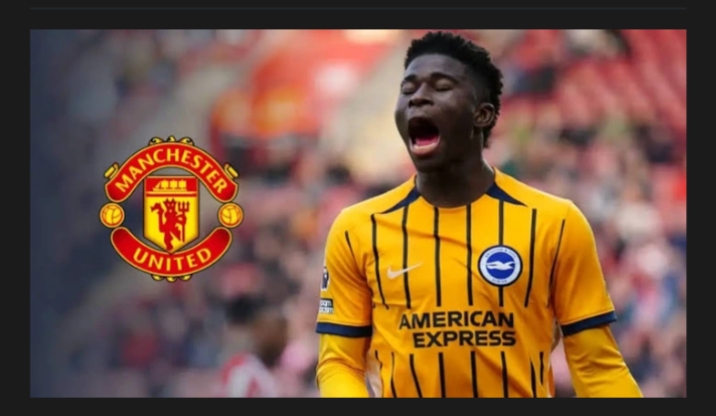
Fabrizio Romano Confirms Manchester United Still Tracking Brighton Star Carlos Baleba
Fabrizio Romano Confirms Manchester United Still Tracking Carlos Baleba
Transfer expert Fabrizio Romano has confirmed that Manchester United continue to monitor Brighton & Hove Albion’s midfielder Carlos Baleba, underlining the player as a key long-term target for the club’s midfield rebuild. Below is a detailed breakdown of what we know: the background, United’s interest, Baleba’s profile, obstacles to the deal, and what this pursuit might mean for both club and player.
Background & United’s Midfield Need
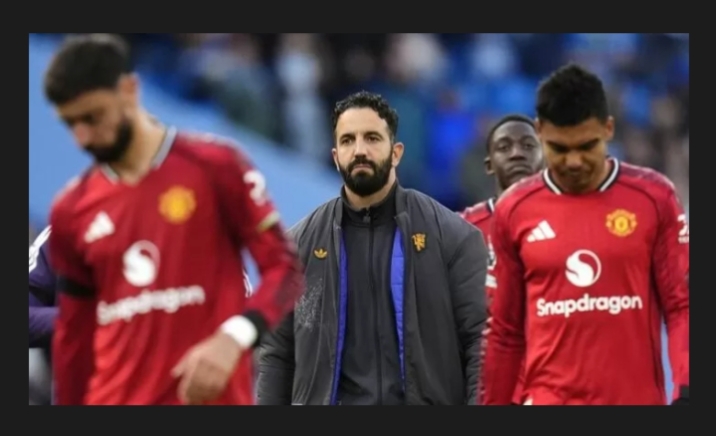
Manchester United find themselves in a transitional phase, with recruitment directed at re-shaping the midfield to match the demands of their new structure under the management of Rúben Amorim. Romano reports that United, under the ownership and strategic framework of the INEOS group, have identified central midfield reinforcement as a top priority for 2026.
Baleba emerged as a standout candidate due to his combination of physicality, pace, and technical ability — traits aligning with what United now seek. The club reportedly made an enquiry for him in the recent transfer window, though the move did not proceed.
As Romano puts it:
“Don’t forget about [Carlos] Baleba… Man Utd are tracking midfielders.”
It is clear Baleba remains on the radar, even if immediate negotiations are off the table.
Who is Carlos Baleba? What Makes Him Attractive?
Born in 2004, Carlos Baleba is a Cameroonian central midfielder currently at Brighton & Hove Albion. His profile has grown rapidly and offers several appealing characteristics:
- Athleticism & intensity: He combines strong stamina and physical presence with defensive work-rate, something United want to add in midfield.
- Versatility: Capable of operating as a box-to-box midfielder or more defensively, giving tactical flexibility.
- Premier League experience: Having established himself at Brighton, he has already accumulated top-flight minutes, which reduces the risk compared to an unproven youngster.
- Style fit: Under Amorim, United want midfielders who can transition quickly from defence to attack, press effectively, and contribute in possession. Baleba ticks many of those boxes.
For United, the attraction is clear: acquiring a young midfielder with high upside, who could form part of the club’s spine for the next decade.
What Romano Has Confirmed
Romano’s latest updates highlight the following key points:
- United have not yet entered formal negotiations with Brighton for Baleba.
- The club is monitoring the player, keeping lines of communication open with his representatives regarding personal terms.
- The focus for Baleba is 2026, not necessarily the immediate next window. Romano says the move “could be January if possible, or summer” but stresses no firm talks yet.
- United internally still appreciate alternative options (for example, the German midfielder Angelo Stiller), but Baleba remains a strong contender.
Hence, while nothing is done, the interest is genuine and sustained.
The Obstacles: Valuation & Brighton’s Stance
Despite United’s interest, several significant barriers stand in the way:
- Asking Price & Valuation: Brighton reportedly value Baleba extremely highly — figures in the region of £100 million+ (some sources say £115 million) have been quoted.
- Brighton’s reluctance to sell: The club has made it clear they are not keen to part with Baleba at this stage, especially given his importance and young age. Romano’s sources indicate there was no willingness this past window.
- Timing & budget constraints: United must weigh the investment against other priorities, and the size of the fee means it may be a “future window” operation rather than immediate. Also, United are conscious of Financial Fair Play/PSR and must balance squad composition.
- Player form and focus: There is reporting that Baleba’s performances this season have dipped, possibly due to the distraction of speculation and a knee issue.
Together, these obstacles mean any move will require careful planning and negotiation, rather than a last-minute “swoop”.
What This Means for United & Baleba
For Manchester United:
- If successful, securing Baleba would signal a shift in midfield recruitment – investing in youth with a high ceiling rather than only senior players.
- It would also support Amorim’s tactical vision: a midfielder who can press, carry, transition, and complement other key pieces in the squad.
- It may require patience: United may need to build the structure (off-loads, budget, squad shape) so that such a major signing fits into the broader project.
For Carlos Baleba:
- The move to United would present a huge opportunity — joining one of the biggest clubs in world football, increasing exposure & career window. Reports suggest he would say “yes” to United even without guaranteed Champions League football.
- Staying at Brighton for another season may benefit him: more minutes, development, less pressure, before a major move.
- However the speculation and expectations will increase; how he handles that will affect his trajectory.
For Brighton:
- Holding onto Baleba for at least another season may maintain their competitive balance and allow his value to appreciate further.
- But realistically, a sale may be inevitable eventually — they may get a record fee. Losing him would require good succession planning.
Timeline & What to Watch
Short-term (next 6-12 months):
- United continue to monitor. No deal imminent this summer, but January remains a possibility if circumstances change (e.g., Brighton are open, United offload players).
- Baleba’s performance this season will be under scrutiny: how he recovers from any injury/motivation dip, how he handles speculation.
- United’s alternative targets (like Stiller) will remain active; the club may hedge their bets.
Mid-term (summer 2026):
- This window looks more likely for a push. United may frame an offer then, assuming budget and squad shape align.
- Brighton may at this point be more open to negotiating (especially if they’ve secured a replacement or the player has clearly outgrown them).
- The valuation will likely be high — United must decide if they are willing to pay the premium and structure the deal (installments, add-ons) to make it viable.
Key indicators to monitor:
- Has United made a formal offer?
- Has Brighton included Baleba in a “not for sale” list publicly or privately?
- Are United able to off-load players to fund the move?
- Does Baleba’s contract (length, extension option) affect the valuation?
- Will Baleba push for a move (agent statements, interest in the press)?
- Will Baleba’s form improve or dip further this season?
Final Thoughts
In summary: United’s interest in Carlos Baleba is real, strategic and long-term, as confirmed by Fabrizio Romano. But the hurdles are significant: the price is steep, Brighton are resistant, and United’s timing and budget will matter. The next major window (summer 2026) is likely when things could come to a head.
For United supporters and observers: if the club lands Baleba, it could mark a pivotal moment in the rebuild. For Baleba himself: the next season is critical — how he develops, performs, and handles the rumour mill will influence whether this move materialises on his terms.

Leave a Reply