
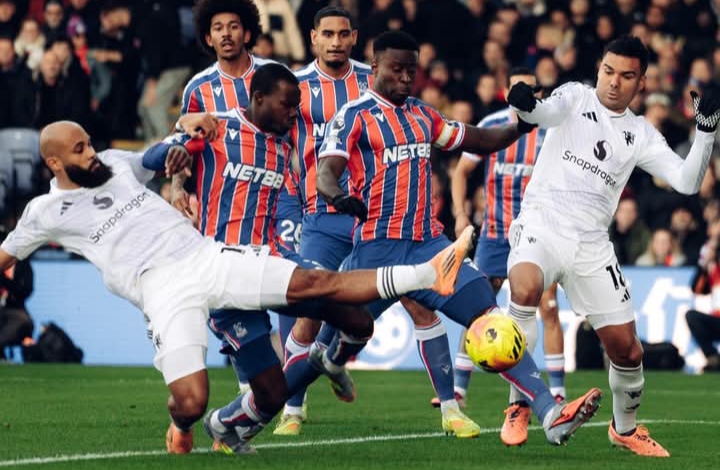
Ruben Amorim Demands Higher Standards After Hard-Fought Win: “Increase the fight and we can beat everyone”
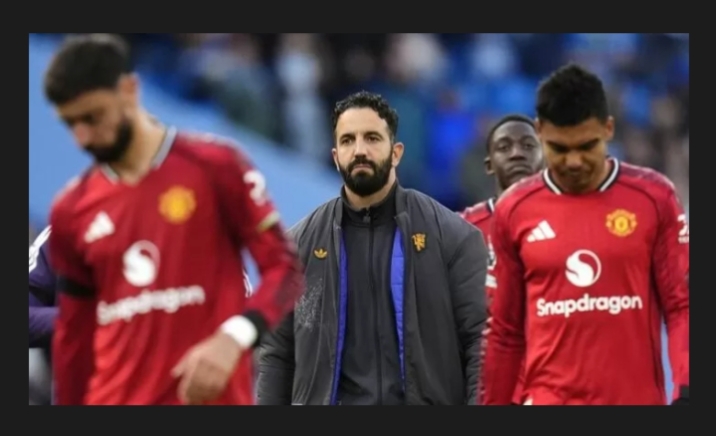
Manchester United manager Ruben Amorim cut a composed but quietly assertive figure in the aftermath of another narrow Premier League victory, stressing that the difference between mediocrity and dominance often lies not in formations or grand tactical reinventions, but in something far more fundamental: intensity, desire, and the relentless hunt for second balls.
Speaking to TNT Sports after the final whistle, Amorim summarised the match in a tone that captured both satisfaction and simmering frustration.
“We had more intensity in the second half. The way we defended second balls was different. It is important to win every game. Today was proof that if you play the same way, but increase the way we fight for the ball and the small details in a different pace, we can beat everyone.”
It was a statement with two layers—confidence, certainly, but also a thinly veiled demand for more consistency from a squad that has shown flashes of brilliance followed too often by puzzling lapses in energy and focus.
A Tale of Two Halves: United’s Jekyll and Hyde Performance
United’s first half once again mirrored a trend that supporters have become tired of: a slow start, a lack of urgency, and a concerning inability to dominate the midfield duels. Despite enjoying more possession, clear chances were sparse, with transitions repeatedly breaking down due to hesitation or poor positioning. Opponents were quicker to second balls, sharper in the 50/50s, and more aggressive in zones where United usually want to dictate tempo.
Amorim’s football thrives on verticality, coordinated pressing, and sharp occupation of space—but all of these require intensity as the engine. Without that, the structure looks incomplete.
In the second half, however, United emerged looking like a team with something to prove. The line stepped higher, the midfield pressed in coordinated pulses, and the defensive line anticipated rather than reacted. What had been loose second-ball moments in the first half suddenly became platforms for attacking transitions. United regained territorial control, imposed their tempo, and—crucially—won the duels that set the tone for Amorim’s game model.
If the first half was a reminder of United’s inconsistencies, the second half was a reminder of their potential.
Intensity as a Tactic, Not a Mood
Amorim’s philosophy has always been rooted in more than just formations. People talk about his 3-4-3, the rotations, the fluid forward lines, but at the heart of his football is a simple demand: every player must be mentally prepared to fight for every ball, every second, every inch.
That’s why his TNT quote carries weight.
He didn’t speak about shape, technical mistakes, or refereeing decisions. He spoke about:
- Intensity
- Second-ball aggression
- Small details at a different pace
These are not optional components in his system; they are the oxygen.
When United play with that edge, they can outwork, outrun, and ultimately outthink opponents. When they don’t, the system collapses into something slow and predictable.
The Manager’s Confidence — and the Supporters’ Plea for Consistency
Amorim’s line “we can beat everyone” will certainly resonate with supporters who believe the squad’s ceiling is higher than what has often been displayed. There is a quiet belief within the club that with the right structure, mentality, and level of consistency, United have enough quality to trouble any team in England or Europe.
But fans have a valid counterpoint: confidence is welcome, but consistency is essential.
United have produced strong spells in games, even dominant ones, but they rarely sustain a full 90 minutes of control. Supporters have become accustomed to matches where United oscillate between brilliance and chaos. One half they look like a cohesive team capable of dismantling anyone; the next, they appear disjointed.
That’s why your note — “I like the confidence but please be more consistent” — echoes what many feel. The belief is there. The talent is there. The tactical structure is there. What’s missing is that ruthless, predictable continuity across games, weeks, and months.
Why Second Balls Matter So Much Under Amorim
Amorim’s emphasis on second balls isn’t random. His system relies heavily on:
- pressing traps,
- quick regains,
- transition dominance,
- numerical superiority in key zones,
- immediate ball circulation after recovery.
When United lose the first duel but win the second, they maintain attacking momentum. When they lose both, the team gets stretched and exposed, especially in transitions.
In the second half of this match, United won the midfield chaos—something they failed to do earlier. This shift alone transformed the flow of the game, allowing the wide forwards and full-backs to operate higher and with more freedom.
Amorim’s Challenge: Turn the Reaction Into the Baseline
The biggest concern for Amorim will not be the result, nor even the lacklustre first half—but the pattern. United are too often a reactive team. They wake up after halftime. They become brave after conceding. They become intense after being outplayed.
A top side dictates intensity from minute one, not as a response, but as a command.
If Amorim truly wants United to “beat everyone,” that attitude cannot be optional based on opponent or game context. It must be standard.
Players Who Embodied the Shift
While individual names vary based on match context, the second-half improvement typically comes from roles such as:
- The pivot midfielder, who starts stepping into duels earlier and winning loose balls.
- The centre-backs, who push the defensive line higher and anticipate long balls instead of retreating.
- The wingers, who counter-press instantly rather than jogging into shape.
- The striker, who initiates the press rather than waiting for triggers.
Amorim’s demands require collective buy-in. In the second half, he finally got it.
Where United Go From Here
This win, like many under Amorim so far, is both a positive step and a reminder of the gap that remains. The team is improving, the structure is visible, and performances in phases are strong. But title-challenging sides are defined not by their ceiling, but by how consistently they reach it.
Amorim’s words show a manager who believes the group already has what it needs to dominate. The fans’ response shows a fanbase that wants those standards met every single game.
Conclusion
Ruben Amorim’s message was clear: Intensity is non-negotiable. Details matter. Fight matters.
This match proved that when United elevate their hunger for the basics—second balls, pressure, individual duels—they become a different team entirely.
Confidence is good, but consistency will define the season. And if Amorim can get this team to bring their second-half intensity into every first half, then his claim that United “can beat everyone” might move from optimism to expectation.
#mufc







Leave a Reply